UNDERSTAND
Building strong foundations.
We make sure children don't just cover the curriculum, but actually understand it. Teachers pay close attention, stepping in when children need support and challending them when they are ready for more.
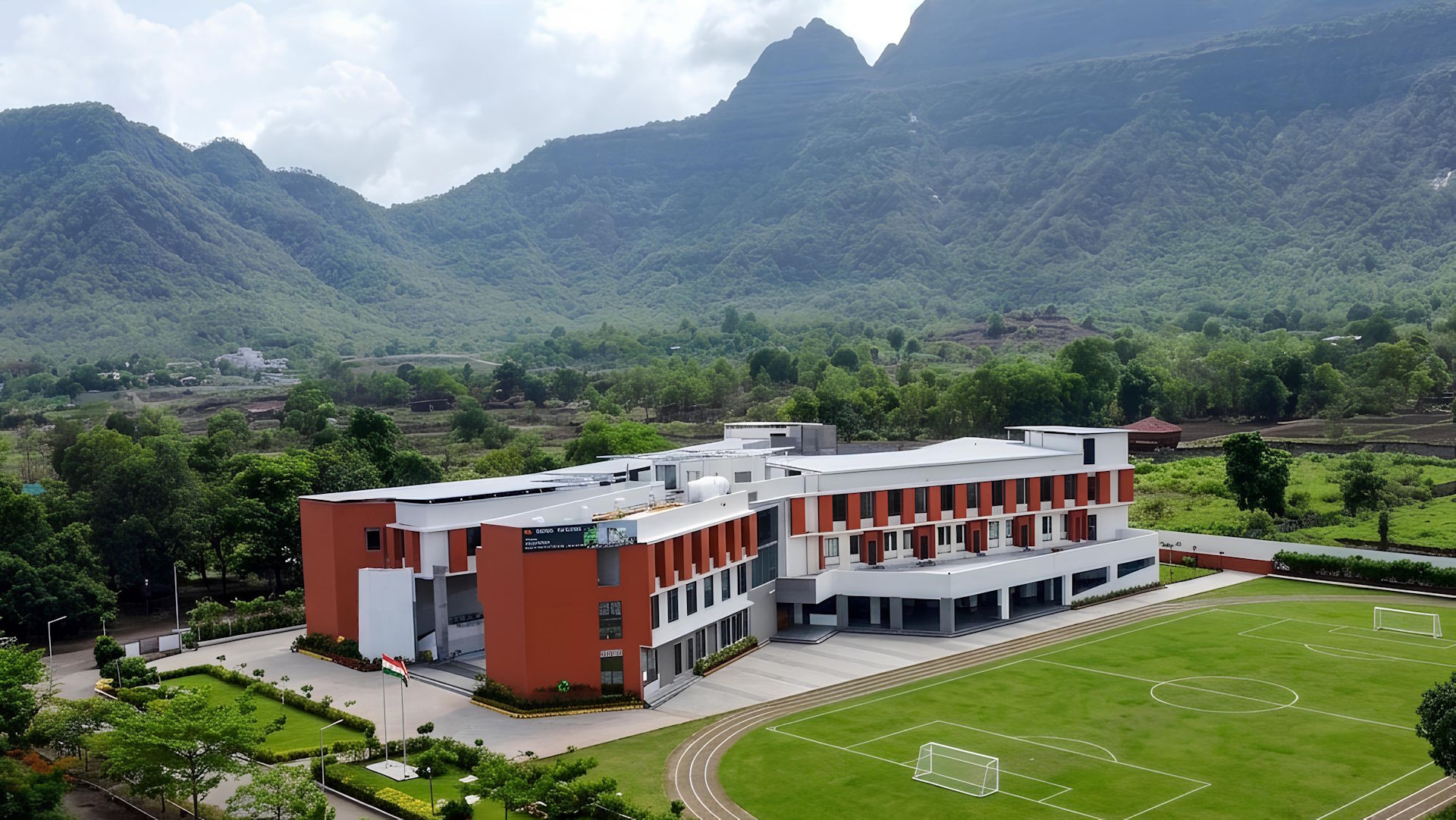
Academic excellence is our foundation, not our ceiling. In a school where children are known for who they are and who they can become, we raise confident thinkers, honest communicators, and compassionate leaders.
Children learn best when they're actively involved, not just sitting and listening to the teacher. We build our teaching around three simple ideas: making sure children truly understand what they're learning, giving them room to ask questions, and helping them use what they know in the real world.
We make sure children don't just cover the curriculum, but actually understand it. Teachers pay close attention, stepping in when children need support and challending them when they are ready for more.
Children are naturally curious and we make sure that curiosity has room to breathe. We encourage children to ask why, look closely, and connect what they learn in class to what they see around them.
We want our children to do something with what they know. Write a story. Build a model. Present an idea. Showcasing what they understand is just as important as knowing it.
We want children to experience learning as something they do, not simply something they receive. That means real projects, time to play, space to question and the freedom to pursue what genuinely interests them. We care both about the kind of person a child is becoming as the marks they are getting.
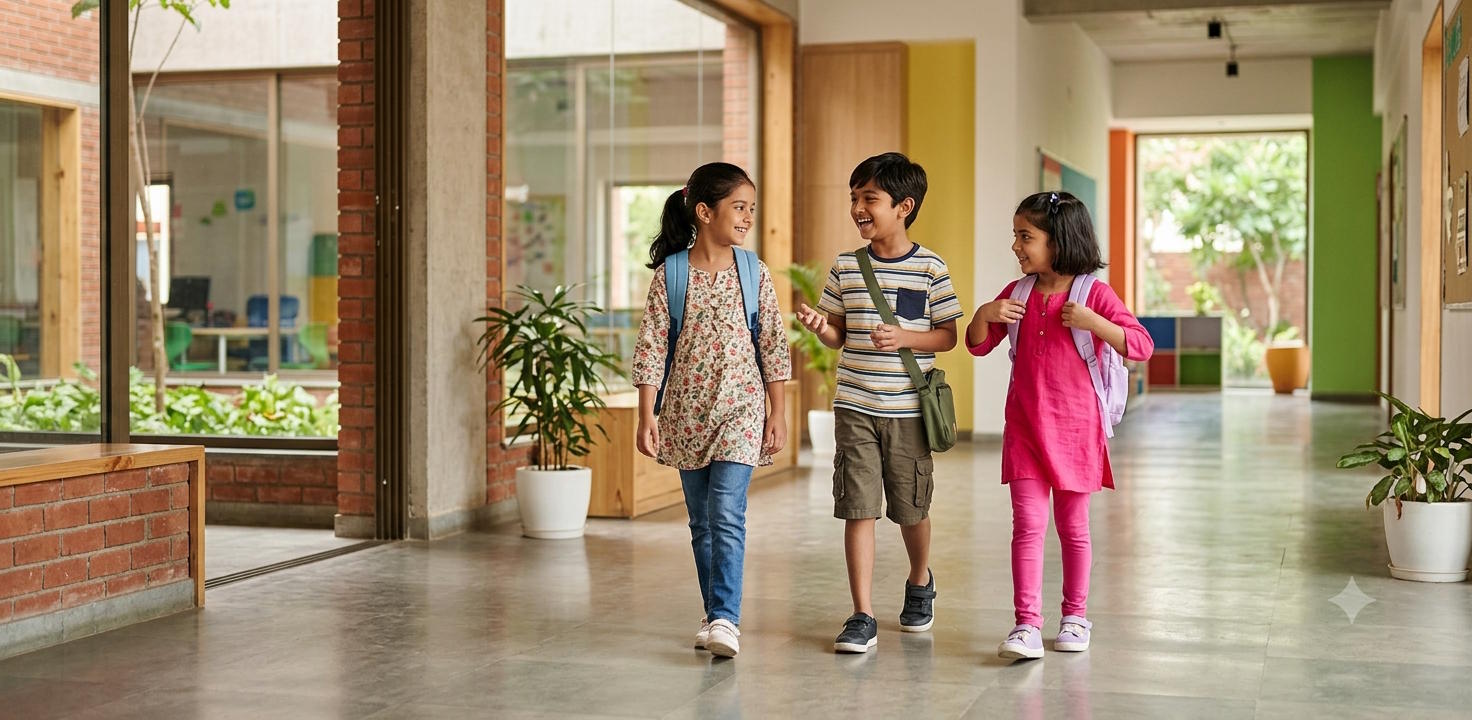
We don't believe a good school day should start with a heavy bag and end with a heavier load of homework. We keep what children need to carry to school to a minimum and yet make the most of the time they spend at school.
What children carry to school each day is planned thoughtfully so that they aren't carrying unnecessary weight every day. And when learning can happen through discussion, activity, practice or exploration at school, it doesn't always need to become homework.
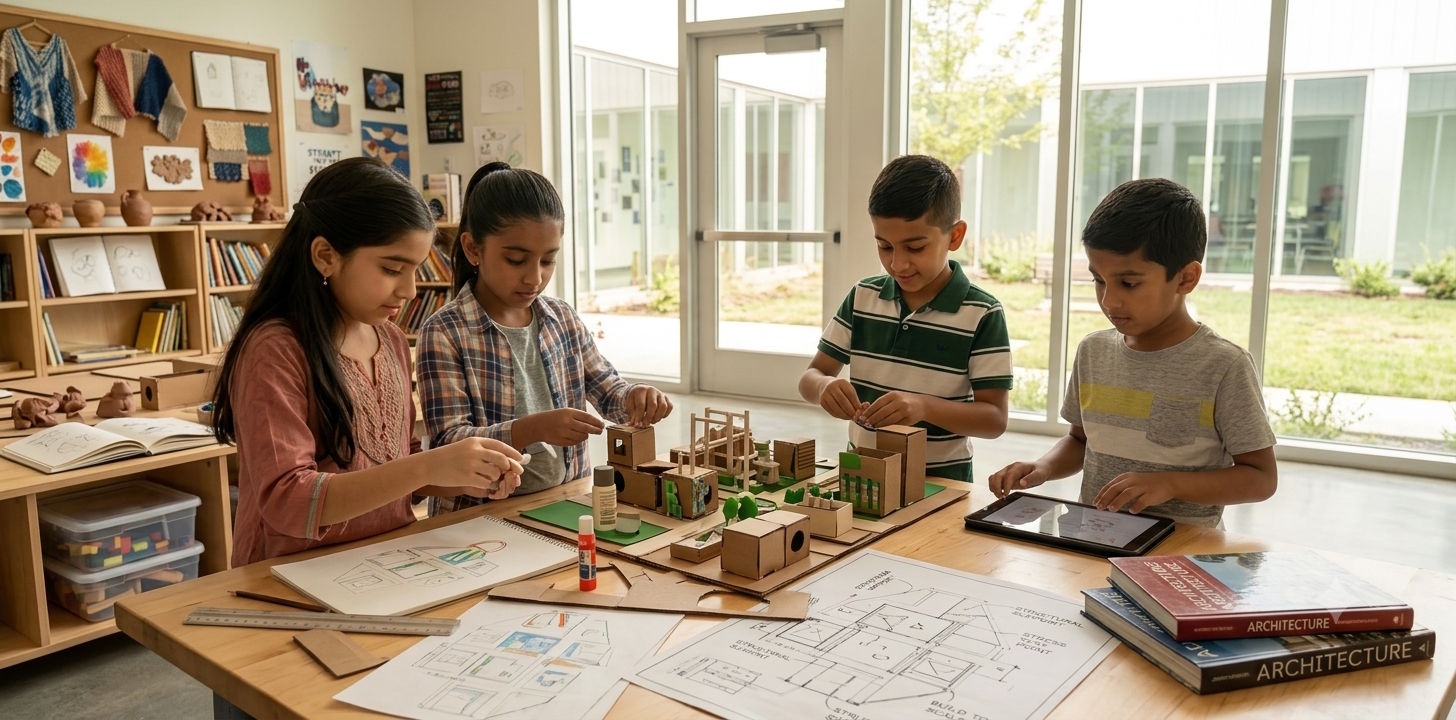
There is a difference between a child who has read about water conservation and a child who has visited a local water body, spoken to someone working on the problem and then tried to design a solution of their own.
At Fr. Agnel, children learn by engaging with the world around them. They question, visit relevant places, work with others and create things that put their learning to use. Sometimes that might mean building a model; sometimes it might mean writing, testing an idea or finding a solution to a real problem.
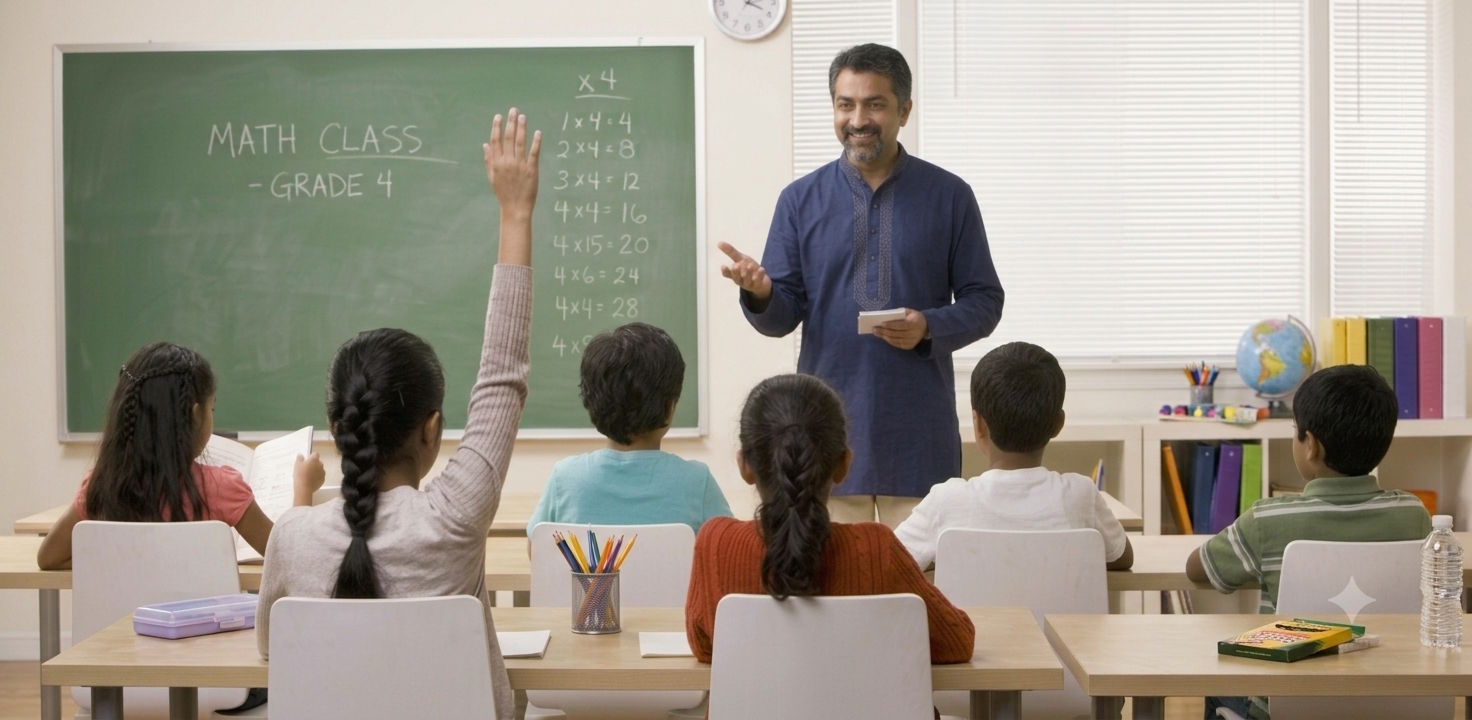
Children often stay quiet unless they are sure of the answer. We have a different culture. We encourage students to ask questions freely, say "I don't understand" without hesitation, and take time with difficult problems. A child's curiosity is something to be celebrated.
Our teachers make space for discussion and questions. They create room for doubt, for wrong answers, and for trying again. Because working through confusion is part of how real understanding develops.
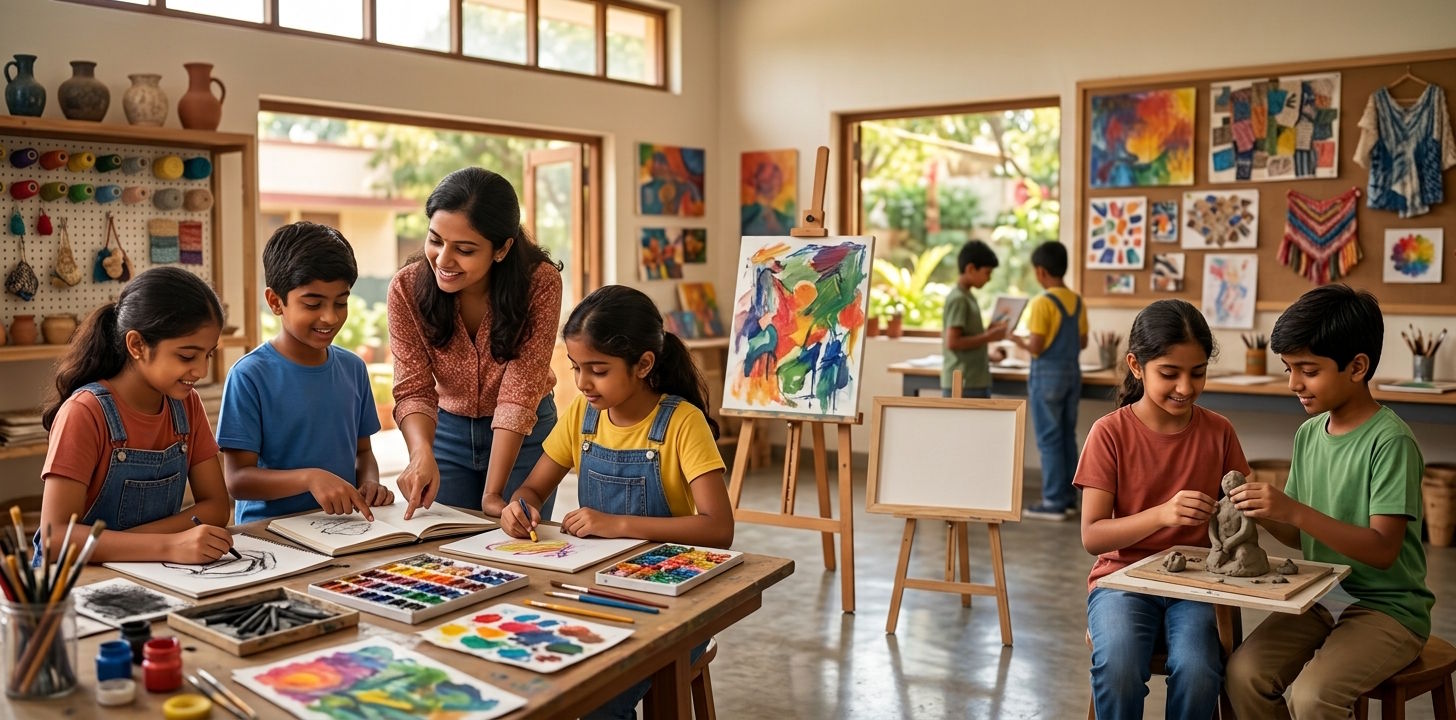
We want every child to enjoy coming to school — curious, confident, and not weighed down by exam pressure. Marks are just one small part of that story.
At Fr. Agnel, tests and assessments aren't something to fear. They're a way for us to understand how each child is doing — what they've understood, where they need a little more help, and how we can support them better.
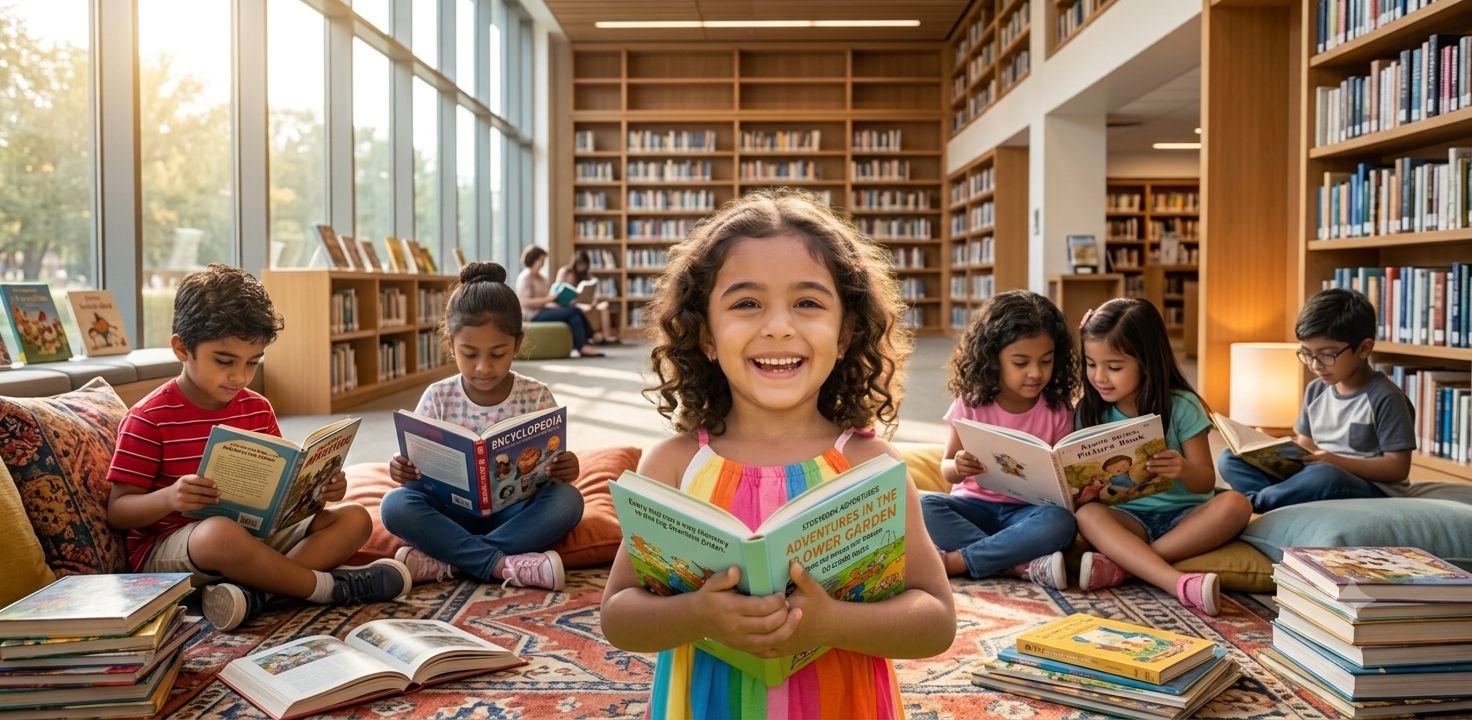
Reading is not just an English class activity. It is part of everyday school life across every subject and every age — helping children develop strong language skills, think more clearly, express fluently and broaden their horizons.
We treat building a reading habit as one of the most important things we can do for a child. Not through pressure or reading logs, but by making time for it, surrounding children with books and letting them read what genuinely interests them.
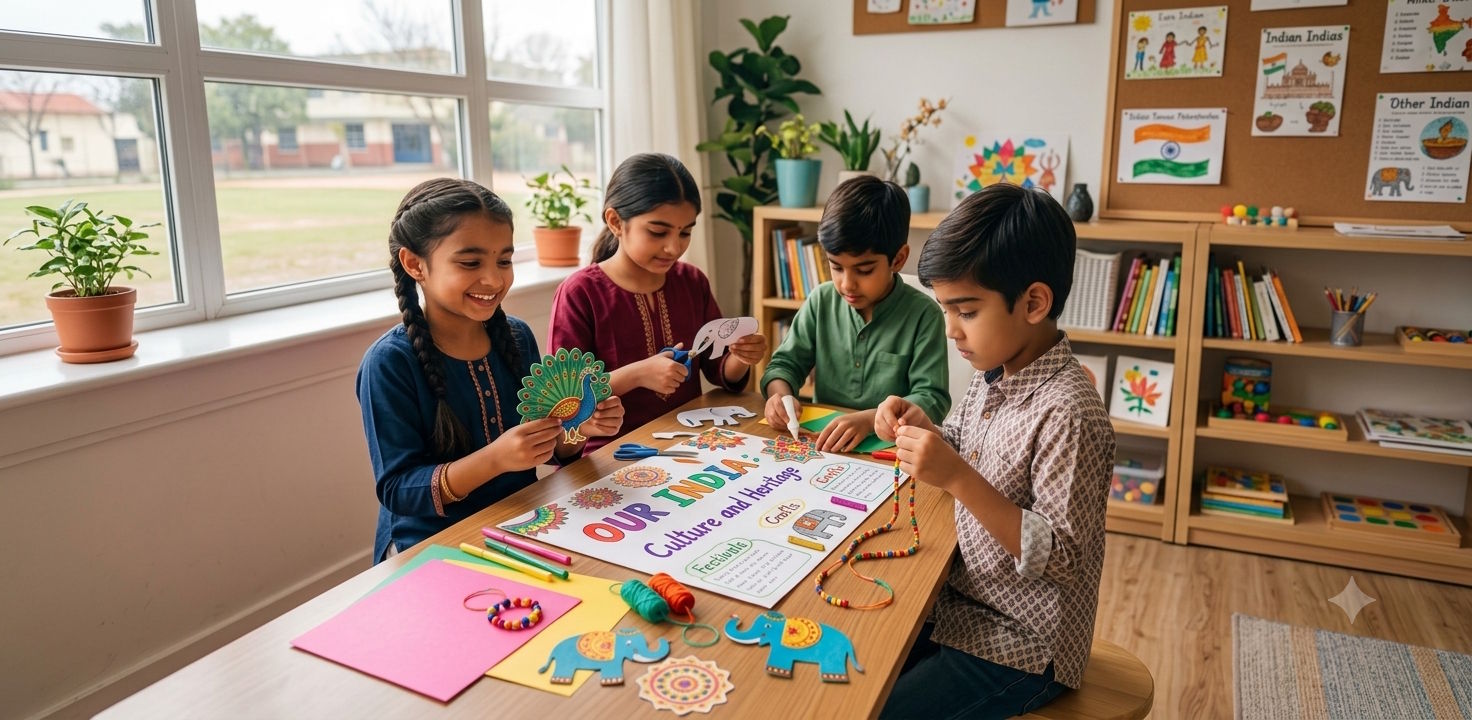
Free play and physical activity are part of every child's day without exception. Sports builds discipline, resilience and the ability to work as part of a team — values that matter as much as anything learned in a classroom.
Art, music and drama are also part of every child's education. For all, not only for children who show early talent. Every child gets the chance to find what they are good at.
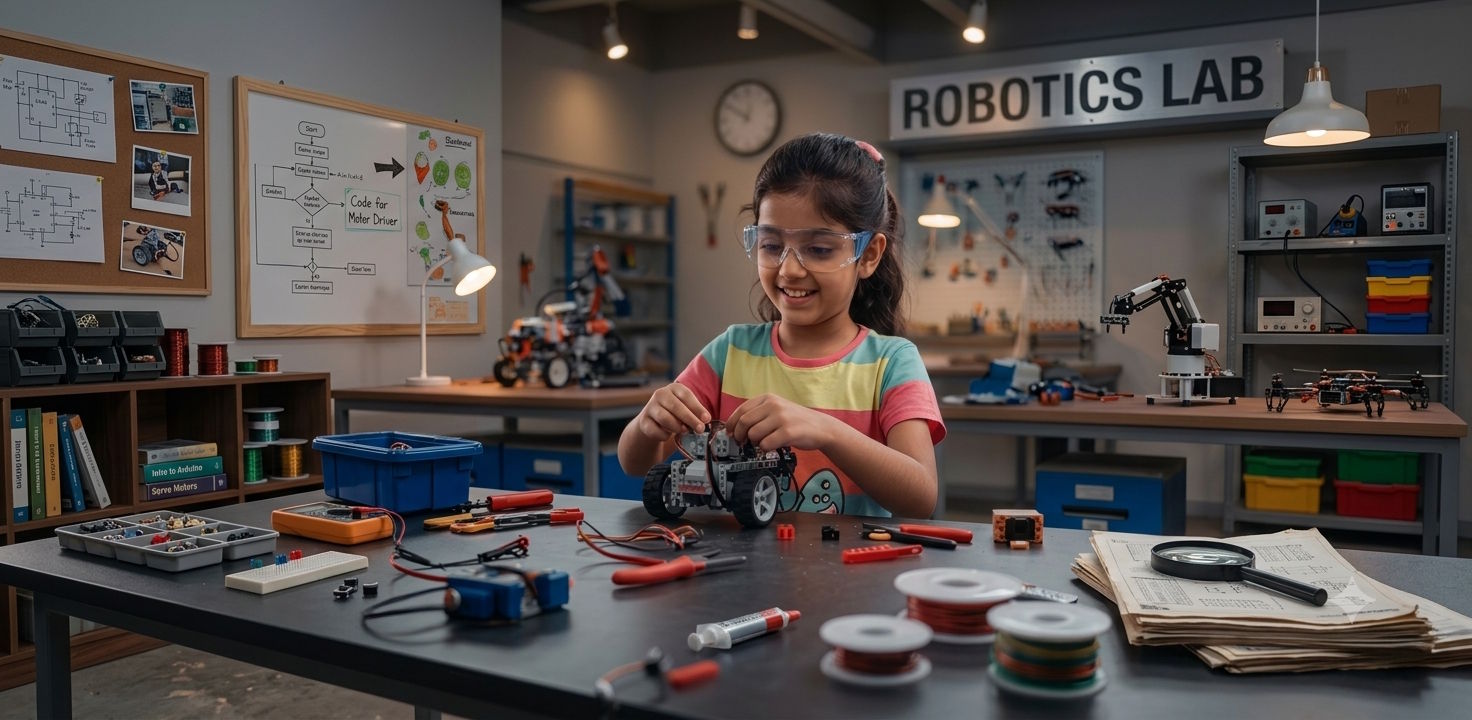
At Fr. Agnel some of the most important learning happens outside the classroom. Our clubs give children the chance to pursue what genuinely interests them — astronomy, science, debate, the environment, coding or something equally fascinating.
As our school grows, so will the opportunities — mentorships, career conversations, leadership roles and life skills workshops designed to help children understand who they are and where they want to go.
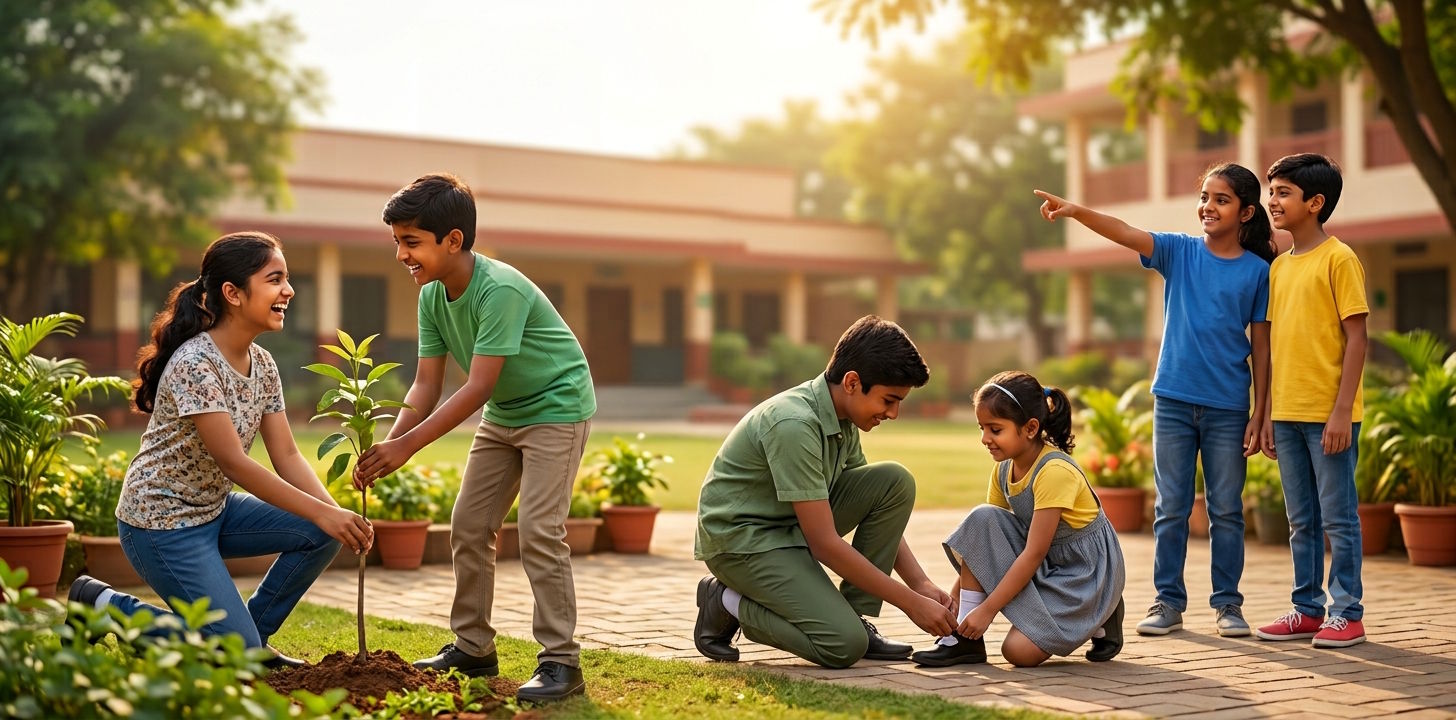
Academic results matter. But they are not the only thing we measure. We want children to be kind, honest and accountable people. People who treat others well, think before they act and understand they have a responsibility to the world around them.
These qualities do not necessarily come from lessons or wall charts. They are imbibed through daily experience — how teachers treat children, how children treat each other, and the culture the school builds together.
At Fr. Agnel School, our teachers get to know their students well — not just academically, but as individuals. Smaller classes and close relationships allow them to notice where a child is thriving, where a child needs support and where a child is ready to be challenged.
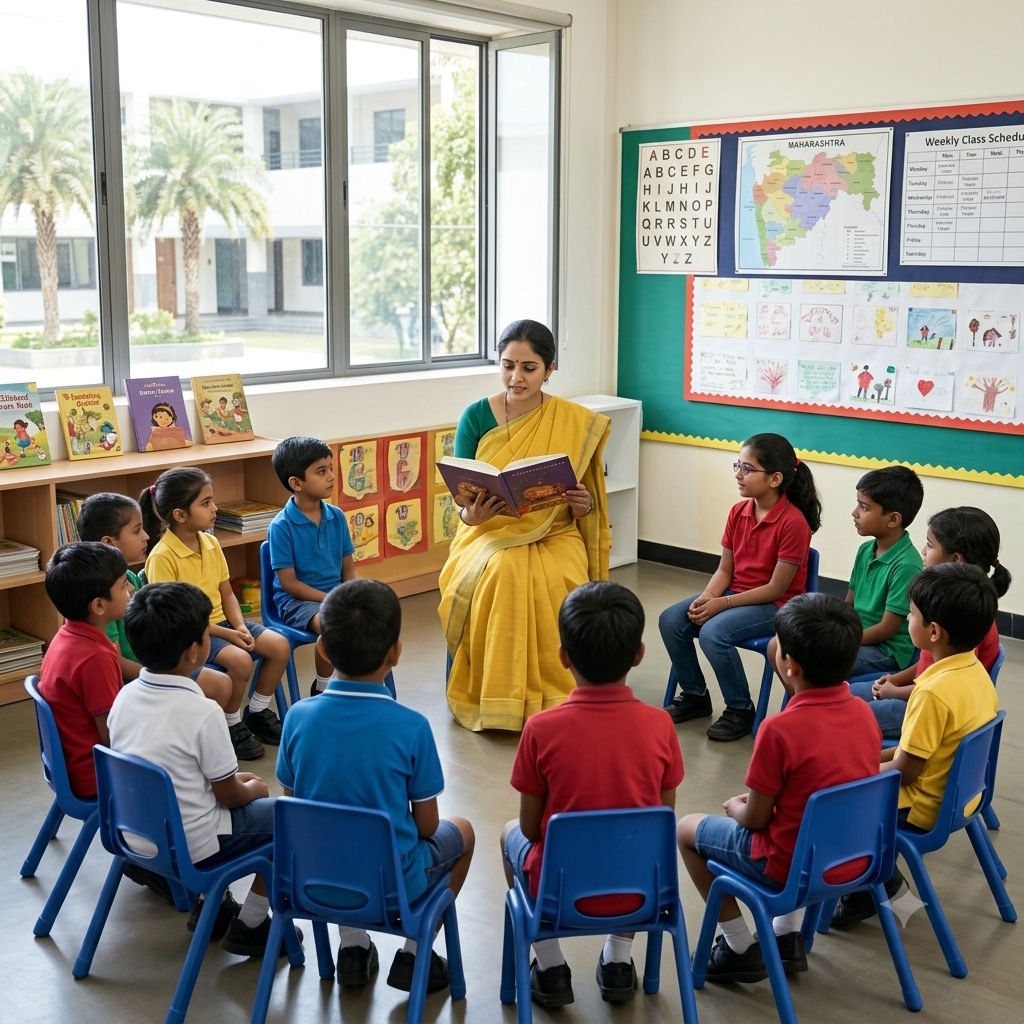
More opportunities for every child to participate, ask questions and be heard.
Teachers understand each child's strengths, needs and areas for growth.
Support and challenge is adapted to help each child make meaningful progress.
Respect differences. Recognise strengths.

Fr. Agnel schools have a long-standing commitment to Inclusive Education. Our schools bring together children from different states, communities, languages and social and economic backgrounds. This diversity also includes children with disabilities and children who may need additional support to learn and participate fully.
We believe that every child is unique and has strengths, abilities and potential that deserve to be recognised. Inclusion therefore means more than providing access to the school. It means creating an environment where children are respected, supported and given opportunities to learn, participate and grow.
Our approach is rooted in the belief that differences should be accepted, strengths should be recognised, and every child should be supported to reach his/her full potential.
We want children to leave school with the ability to think clearly, create confidently, communicate effectively, work with others and contribute meaningfully.
Question, reason and make sense of the world.
Imagine possibilities and turn ideas into action.
Express ideas clearly and listen with understanding.
Take initiative, make responsible choices and work with others.
Use what they know and can do to make a difference.
“The true measure of a school is not the results its students achieve, but the people they become, the lives they lead, and the contribution they make to the world.”
Welcoming students for the academic year 2027–28.